Through the Mayors Climate Action Training Program, a partnership between ICLEI – Local Governments for Sustainability USA (ICLEI USA), the Environmental Defense Fund (EDF), and the African American Mayors Association (AAMA), nine mayors spent the past eight months learning, sharing, and building functional approaches to climate action.
As the cohort wrapped up, the focus shifted to what comes next.
Instead of focusing on ambitious hypotheticals, mayors shared more about the work already happening in their communities and what they plan to take on this year. Climate action is already underway, taking shape differently in each place.
Starting with What Matters Locally
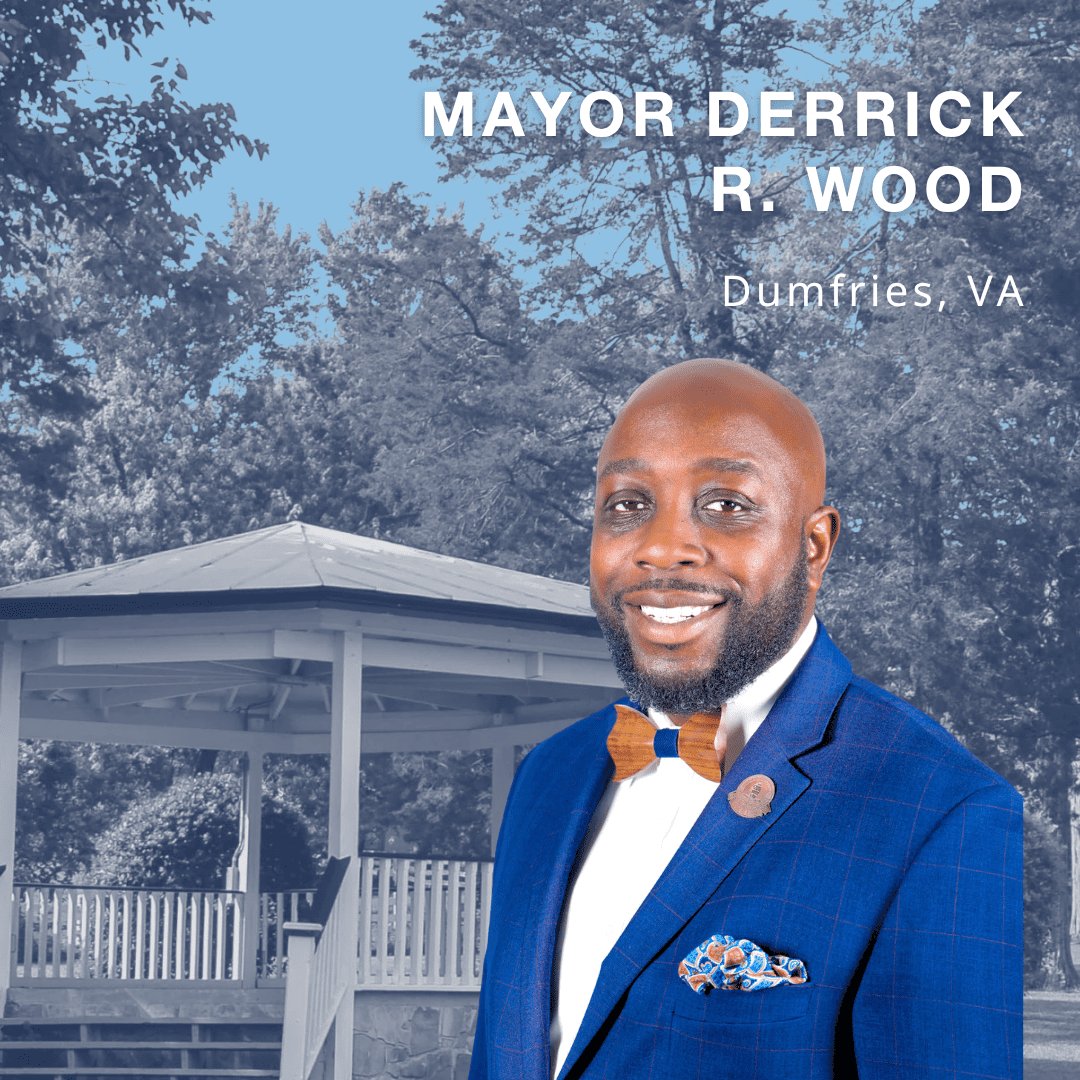
Dumfries, Virginia
In Dumfries, Virginia, Mayor Derrick R. Wood is focused on putting the town’s Strategic Plan into action. That includes work along Quantico Creek to reduce flooding and protect the watershed. It also includes planning for redevelopment along the waterfront and Main Street to build long-term resilience. Brownfield sites are being considered as opportunities for adaptive reuse, and sustainability is being built into everyday decisions such as capital planning and zoning.
The town is also working to align these efforts with available state and federal funding opportunities. ICLEI USA is thrilled to welcome Dumfries, VA, to our network as one of our newest members.
Campti, Louisiana
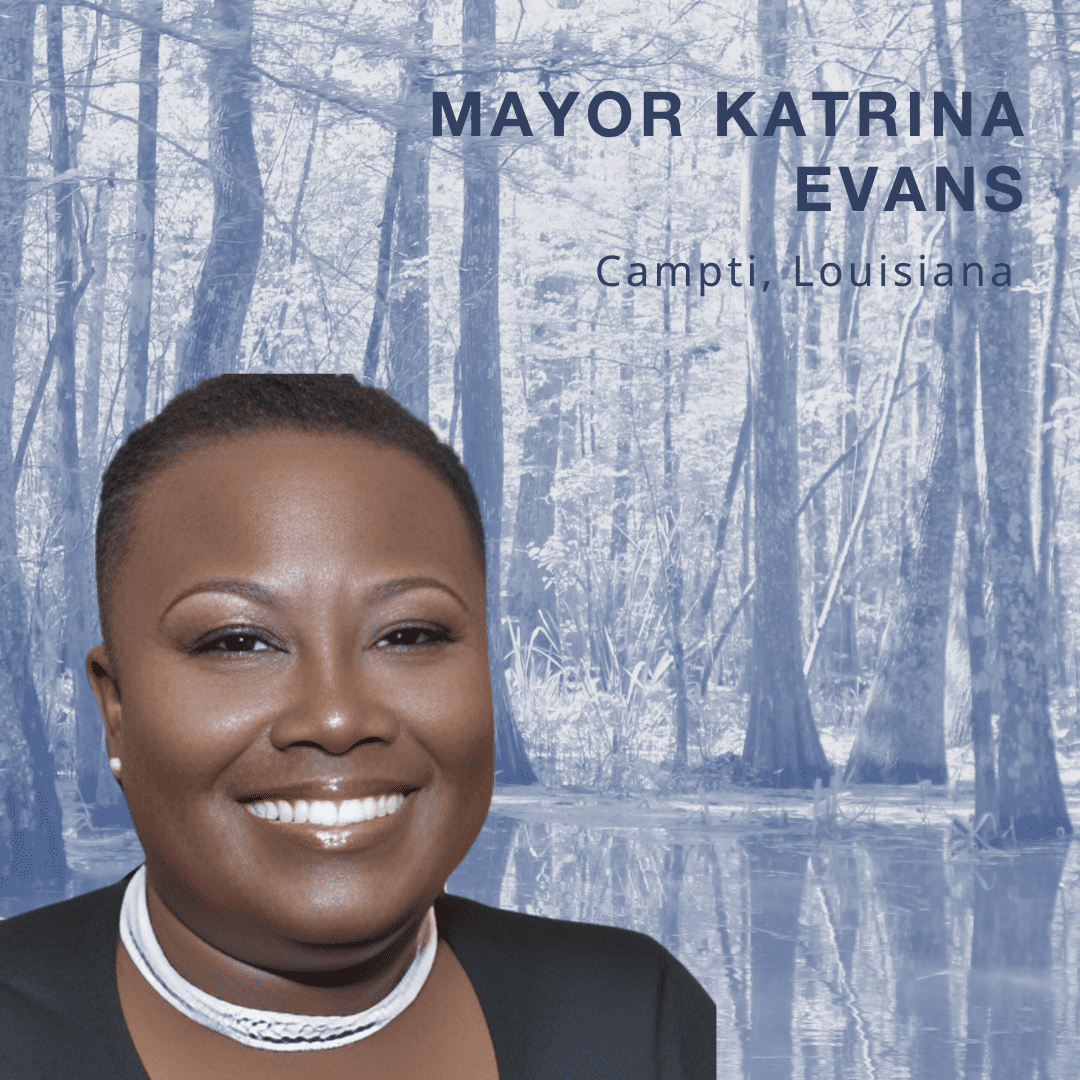
In Campti, Louisiana, Mayor Katrina Evans shared that climate and environmental work had not always been a priority. That is starting to shift. The city is beginning with practical steps, such as a community garden and the exploration of solar at the wastewater treatment plant and City Hall. Enhancing community resilience is central to Mayor Evans’ vision. By providing reliable energy systems at municipal facilities, she aims to establish a reliable resilience hub for residents during power outages.
Making Clean Energy, Air, and Water More Accessible
Beverly Hills, Missouri
In Beverly Hills, Missouri, Mayor Brian K. Jackson is working through challenges around solar and energy access. Utilities are not always supportive of small-scale solar, and the savings from community solar programs can vary. Even so, the city has made progress. It now has a fully solar-powered municipal building, and there is growing interest in electrifying vehicles and school buses.
There is also a strong focus on residents. Programs that introduce tools like air quality monitors and smart plugs are helping seniors lower their energy bills and improve indoor air quality. For some households, that can mean saving hundreds of dollars each year.
He is also thinking about long-term workforce development. That includes introducing clean energy careers in schools and creating local job pathways that support this transition.

East Point, Georgia

In East Point, Georgia, former Mayor Deana Holiday Ingraham focused on infrastructure that supports both health and affordability. The city has secured funding to expand water filtration for per- and polyfluoroalkyl substances and is working to identify and replace lead service lines. Cooling centers have been established to use during extreme heat events, and tree planting efforts are expanding through local partnerships.
Investing in Infrastructure and Nature
Marianna, Arkansas
In Marianna, Arkansas, Mayor Ora Barnes Stevens is leading a major stormwater project. Originally designed with more concrete, the project has been reshaped to include green space that supports both flood management and community use. The work is supported by a climate-focused commission that has helped advance several of these efforts, from solar and tree planting to broader flood mitigation strategies.

Haynesville, Louisiana

In Haynesville, Louisiana, Mayor Roderick D. Hampton is working with partners to plant more trees and exploring systems that reuse water for green spaces. Solar at the wastewater treatment plant is also under consideration. He also emphasized the importance of continuing collaboration beyond the cohort, including partnerships with institutions like the University of Louisiana at Monroe.
Hayti Heights, Missouri
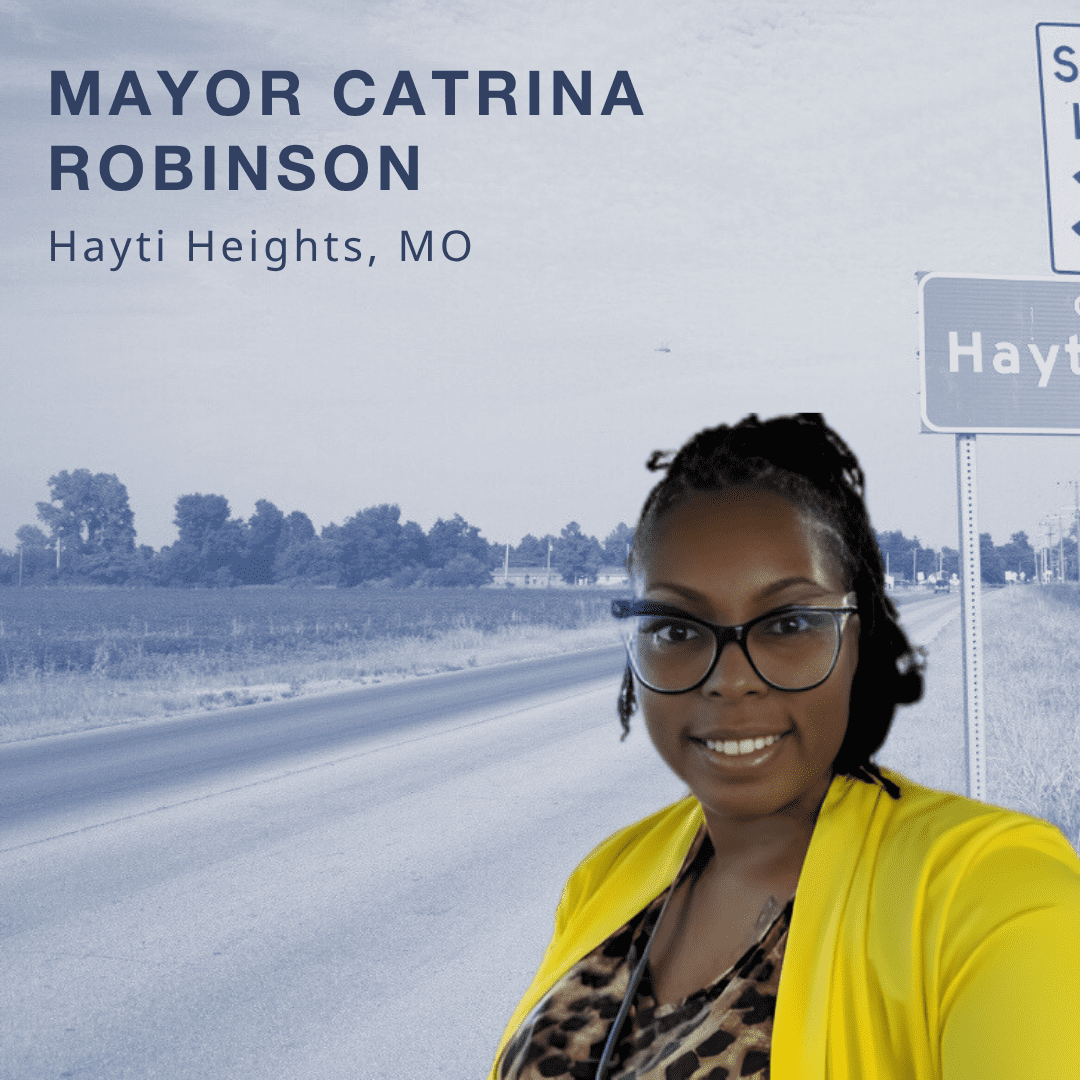
In Hayti Heights, Missouri, Mayor Catrina Robinson is making progress on both environmental and infrastructure priorities. The city is planting trees and has reached a milestone by treating its own water locally. At the same time, there is ongoing work to address air quality challenges, which will require continued coordination with regional partners.
A key challenge remains capacity, especially finding people with the technical expertise needed to move projects forward.
Building on What Already Exists
Wrightsville, Arkansas

In Wrightsville, Arkansas, Mayor Derrick Rainey is expanding existing community efforts to include sustainability. He is building on an existing AARP-supported initiative by incorporating a solar-powered bench along a walking path and creating a space for bird watching and preservation.
He is also looking for ways to bring more regional partners into the conversation and to build stronger collaboration across neighboring communities, while learning from peers about emerging challenges such as data center development.
Pembroke Park
In Pembroke Park, Florida, Commissioner Ashira Mohammed spoke about the importance of communication within local government. In her experience, much of the knowledge already exists within the staff, but it is not always easy to access. Creating space for conversation, listening to staff, and bringing people together can make a difference in decision-making and challenge resolution.

Keeping the Work Going
Many mayors talked about the importance of continuing these conversations, building partnerships, and learning from one another as they move forward.
The projects shared ranged from solar and tree planting to water systems and redevelopment. Some are just getting started. Others are already showing results.
Together, they offer a picture of what local climate action looks like right now. It is community-driven and steadily moving forward.