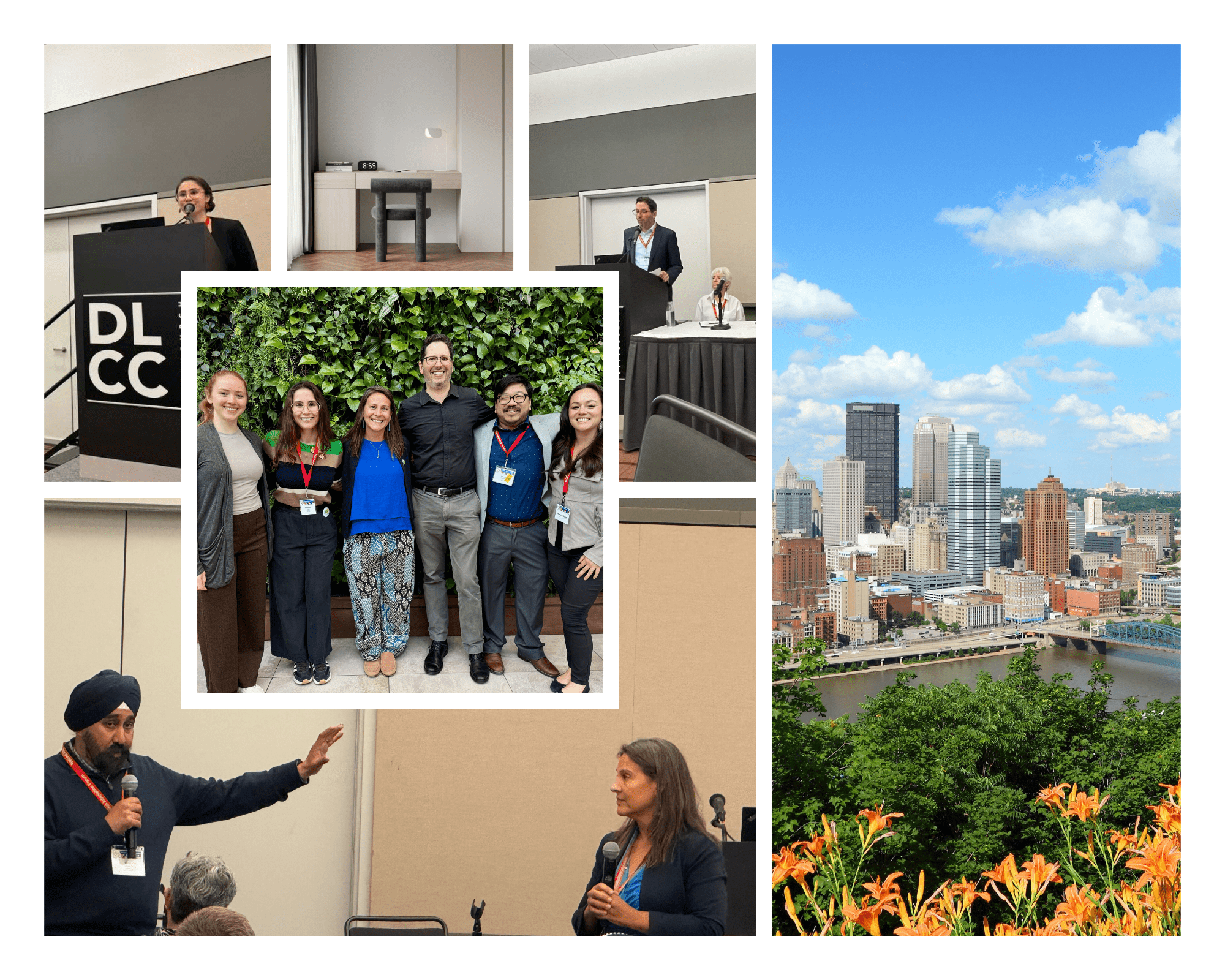
ICLEI USA joined local government staff, planners, researchers, and resilience practitioners from across the country at the 7th National Adaptation Forum (NAF) in Pittsburgh, PA. Representing ICLEI USA at NAFwere;
- Board Member Ravi Bhalla, Assemblymember and Former Mayor of Hoboken, NJ
- Victoria Salinas, Climate Leader in Residence, Duke University, and Former Deputy Administrator for Resilience, Federal Emergency Management Agency (FEMA)
- And ICLEI USA staff, including Resilience Program Manager Angelica Greco; Program Officer Daniel Dickerman; Senior Climate Mobility and Cities Fellow David Lubell; Senior Program Officer Marisa San Martin Kellogg; and Resilience Program Officer Michelle Robidas.
Over three days, conversations focused on how communities are preparing for climate impacts now, from climate migration planning to urban forestry and resilience finance.
Here are a few takeaways from this year’s Forum.
Climate Migration Planning Is Already Happening
Climate migration came up in conversations throughout the Forum. Communities are already seeing changes tied to disasters, housing pressures, heat, flooding, and other climate impacts.
David Lubell helped lead discussions on climate migration and mobility, including Resilient Together and the workshop Moving Forward on Climate Migration, where speakers explored how displacement is already affecting communities across the country. Conversations focused on housing pressures and destination communities, cultural continuity and community agency in relocation planning, and the importance of preparing before communities are forced into crisis response. Speakers discussed how more than 15 million Americans have been displaced by climate disasters in the last three years alone, reflecting how quickly climate mobility is becoming a growing challenge for local governments.
Speakers from Cincinnati shared lessons from incorporating climate mobility into local planning after migration tied to Hurricane Katrina reshaped parts of the region. Greater Cincinnati is also continuing to highlight a growing collection of climate migration resources, research, and planning efforts focused on resilience, equitable growth, and welcoming communities, with support from ICLEI USA. Meanwhile, organizers from New Orleans discussed preserving community ties, culture, and trust as climate risks intensify.
Sessions focused on how local governments can prepare before systems become overwhelmed. Speakers discussed the need to connect climate mobility planning with housing, infrastructure, economic development, and resilience work rather than treating it as a separate issue.
Participants also emphasized that communities preparing for population growth need to think beyond physical infrastructure alone. Housing, transportation, and utilities matter, but so do local partnerships, communications, public trust, and community engagement.
Another major point raised across sessions was the importance of culture and identity in climate preparedness. Speakers discussed how relocation and displacement affect more than just housing. People can lose community ties, cultural connections, support systems, and a sense of belonging. Planning efforts that account for those realities were repeatedly highlighted as critical to equitable resilience work.
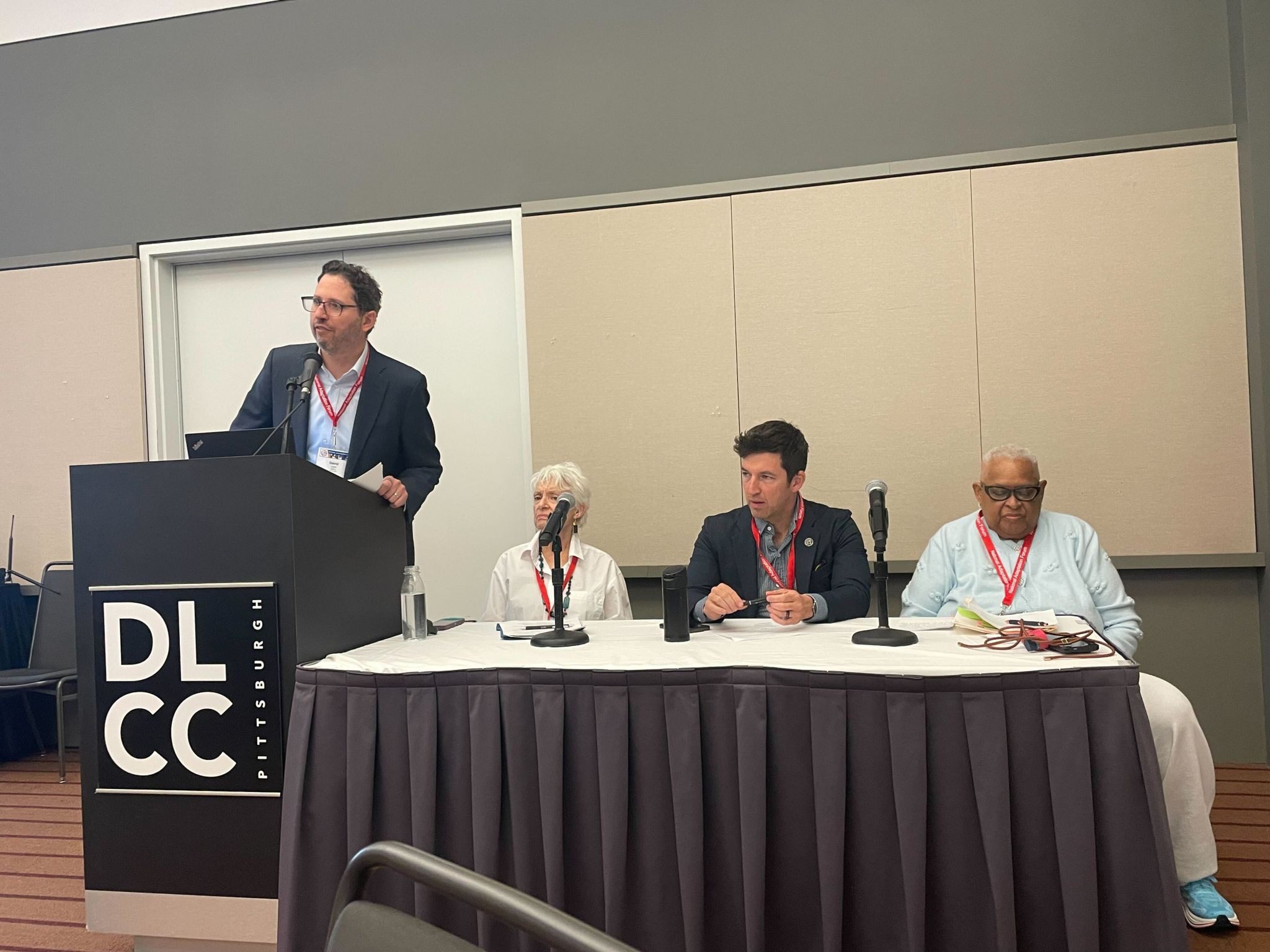
David Lubell helped lead discussions on climate migration and mobility at the National Adaptation Forum, where speakers explored how displacement is already reshaping communities across the country
ICLEI USA Members Shared Local Examples
One of the best parts of the Forum for the ICLEI USA team was hearing directly from members about projects already underway in their communities.
Cincinnati participated in discussions about how the city incorporated climate migration into local planning efforts and explored what it means to prepare as a potential climate destination.
Pittsburgh shared updates on Planting with Purpose: Building Climate Resilience Through Community Trees, an effort focused on expanding urban forestry while connecting resilience investments to broader community priorities like sidewalk repair, neighborhood investment, and regional collaboration.
Angelica Greco led conversations highlighting Pittsburgh’s work advancing equitable tree canopy and regional collaboration through the Data-Driven Urban Forestry for Climate Resilience in Pittsburgh, PA project led by Resilient Cities Catalyst and the City of Pittsburgh. Sessions explored how climate risk, social vulnerability, and existing tree canopy data can guide neighborhood investment and tree planting efforts while supporting broader goals around heat reduction, flood mitigation, and public health. Discussions also focused on the role of regional partnerships, cross-sector coordination, and ways communities are connecting urban forestry work with stormwater and infrastructure planning.
Pittsburgh also participated in conversations about adaptation finance, using recent comprehensive planning efforts as examples of how communities can create clearer pathways for resilience investments and long-term implementation.
In another session, speakers discussed New York City’s Lower Manhattan Coastal Resiliency Project, Financial District and Seaport Climate Resilience Master Plan, and East Side Coastal Resiliency Project as examples of large-scale coastal resilience infrastructure planning and financing efforts already underway.
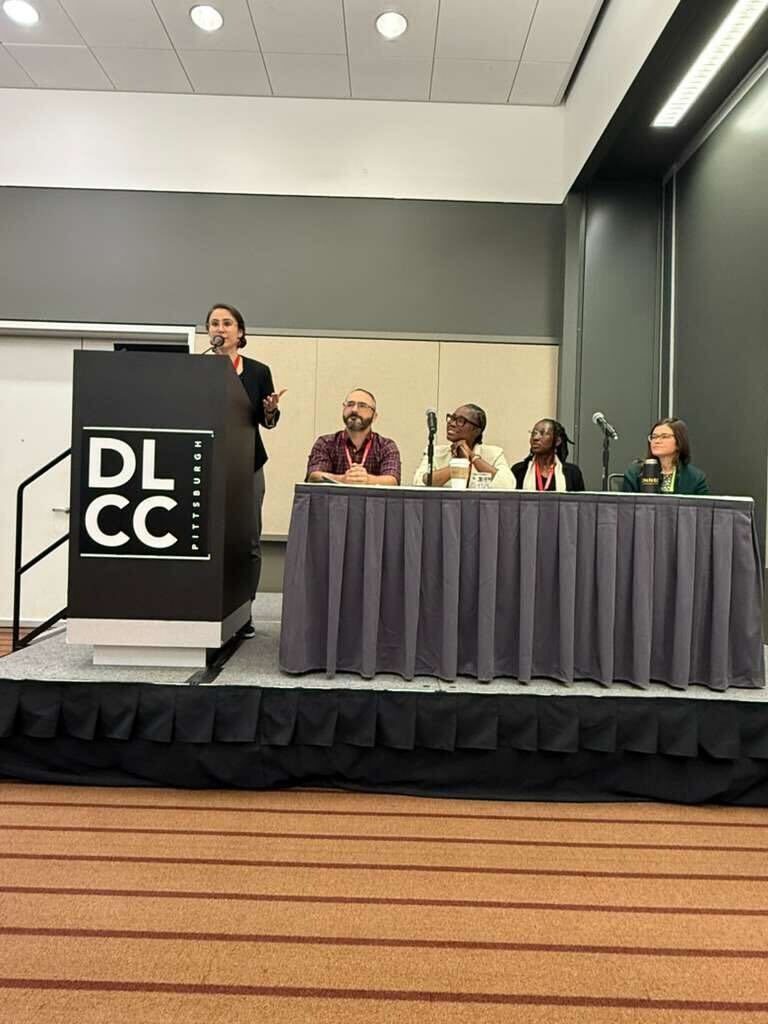
Angelica Greco led conversations highlighting lessons from Pittsburgh’s work advancing equitable tree canopy and regional collaboration.
Financing Adaptation Was a Top Focus
A major topic throughout the Forum was how communities can pay for resilience and adaptation projects at a time when needs continue to grow, and federal funding remains uncertain.
Speakers discussed a wide range of approaches, including public funding, private investment, insurance tools, utility financing, and district-scale funding models.
Several sessions focused specifically on insurance. A workshop organized by Insurance for Good examined New York City’s pilot parametric flood insurance program, which was designed to provide faster support to households affected by flooding outside mapped flood zones.
In Philadelphia’s Eastwick neighborhood, presenters discussed efforts to explore micro-insurance options for renters alongside broader flood mitigation and relocation strategies.
At the same time, speakers acknowledged that many insurance products remain difficult to explain to residents and stakeholders. Several sessions stressed that insurance is not always the right tool for every community or project.
A recurring conversation throughout the Forum centered on the need to better communicate the value of resilience investments. Speakers highlighted benefits such as avoided losses, stronger public health outcomes, economic stability, and long-term cost savings as key considerations in seeking funding and investment.
Resilience Finance Requires Coordination and Long-Term Partnerships
Board Chair and New Jersey Assemblyman Ravi Bhalla and Climate Leader in Residence at Duke University, former FEMA Deputy Administrator for Resilience Victoria Salinas, a member of the ICLEI USA Board, spoke about resilience finance and private investment opportunities for adaptation projects.
Salinas introduced a five-step framework that will be explored further in the upcoming local government resilience finance guide, From Resilience Goals to Financeable Projects: Connecting Risk Reduction to Funding, Financing, and Investment Decisions.
Her presentation focused on helping local governments identify the value resilience projects create, who benefits from those investments, and which funding or financing approaches make the most sense for a project.
Across multiple sessions, speakers discussed how adaptation finance challenges are often tied to governance and coordination issues as much as funding itself. Long timelines, limited staff capacity, fragmented decision-making, and cross-sector coordination continue to slow implementation in many communities.
Participants also highlighted the importance of long-term partnerships, strong local coalitions, and the combination of different funding sources to move projects forward.
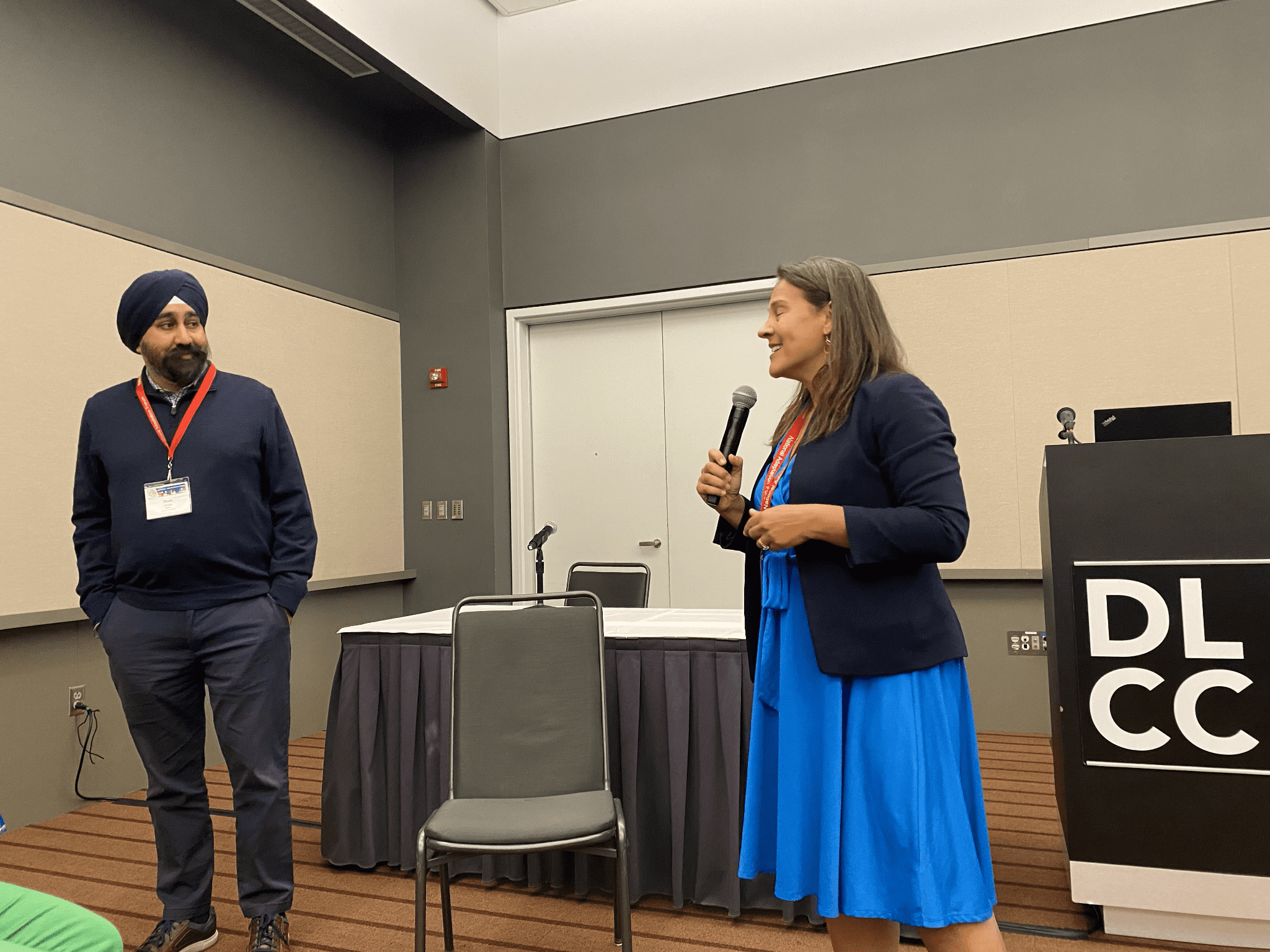
Board Chair and New Jersey Assemblymember Ravi Bhalla joined Climate Leader in Residence at Duke University, former FEMA Deputy Administrator for Resilience Victoria Salinas, at the National Adaptation Forum to discuss resilience finance, adaptation investment, and strategies for moving local projects from planning into implementation.
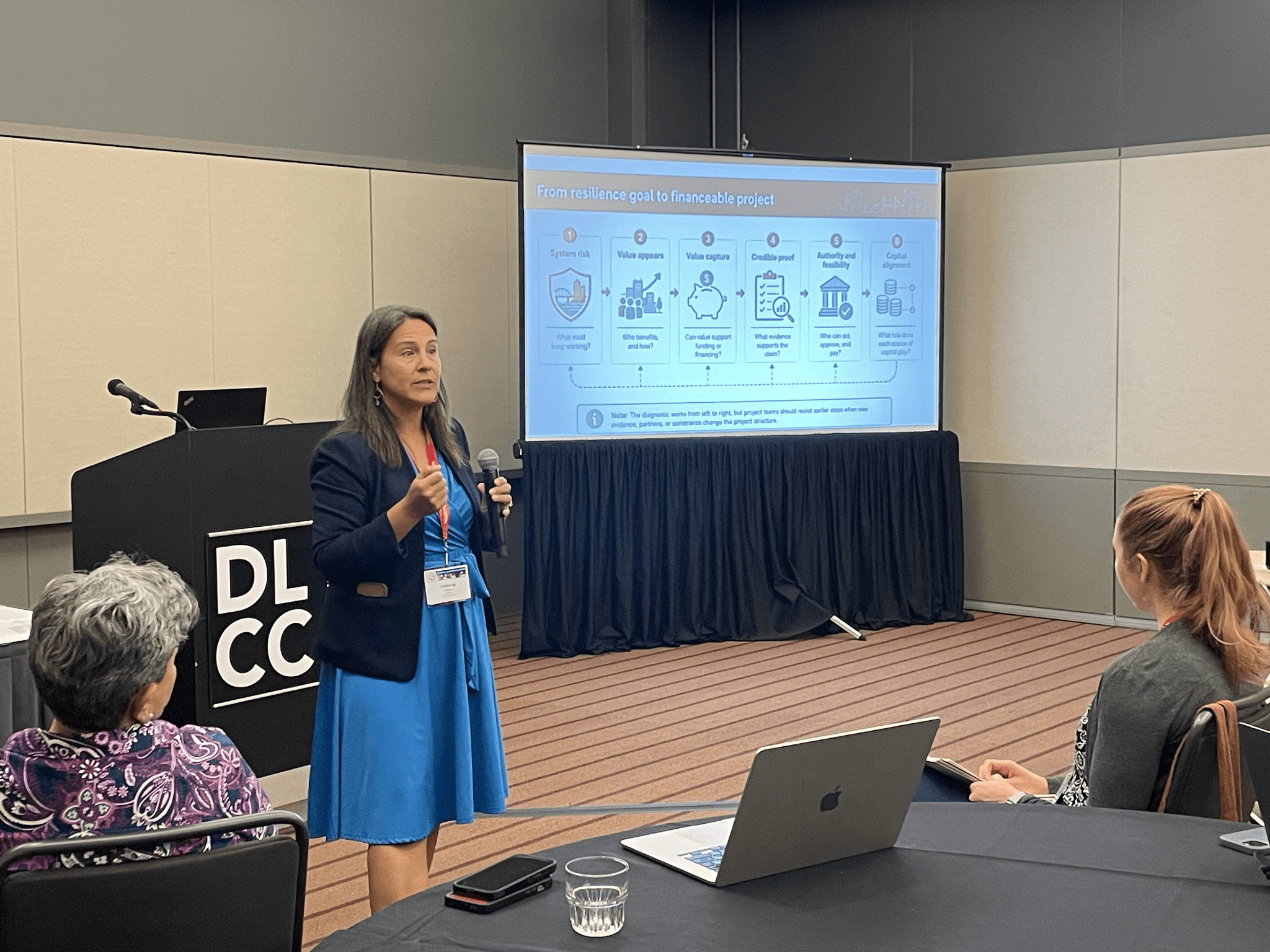
Victoria Salinas presented a resilience finance framework focused on helping local governments identify project value, funding pathways, and long-term financing opportunities for adaptation and resilience investments.
Looking Ahead
This year’s National Adaptation Forum (NAF) highlighted how much local climate adaptation work is happening across the country. Communities are testing new financing models, planning for climate migration, expanding urban forestry, and finding ways to connect resilience work with housing, infrastructure, and economic development goals.
For ICLEI USA, NAFwas an opportunity to learn from members, share examples, and continue building connections with communities working to strengthen local resilience.